
Scrubber
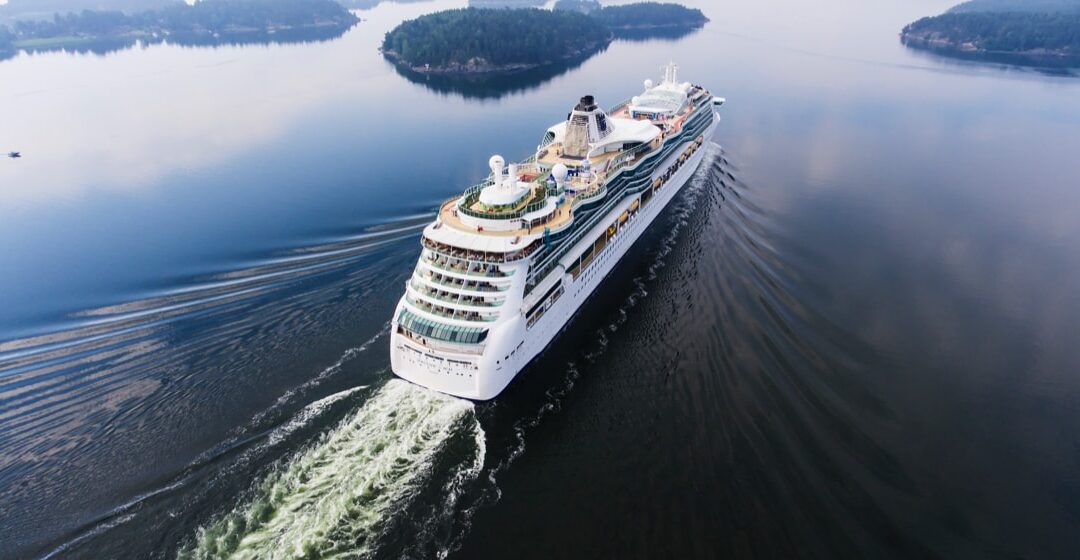
In an effort to limit sulphur emissions, the International Maritime Organization (IMO) has established that ships, as of January 1st 2020, are not allowed to burn fuel with a sulphur content above 0.5% worldwide. Along with this, Emission Control Areas (ECA) have also been established, which limits sulphur emissions to 0.1% for ships operating in those areas.
There are two primary approaches to comply with the global sulphur cap: switching to low sulphur fuel, or install Exhaust Gas Cleaning Systems (EGCS), also referred to as scrubber. Using the scrubber solution, the MARPOL Annex VI, MEPC.259 (68) requires that scrubber installations are monitored on emissions in the exhaust and washwater discharged from the scrubber, to ensure compliance with the sulphur cap. Placing a marine emission sensor at the scrubber outlet as Continuous Emission Monitoring Systems (CEMS), and using a washwater monitoring system to measure values between inlet water and discharge water of the scrubber, provides documentation of compliance with the sulphur regulative
Solutions
Learn more about our solutions for scrubber
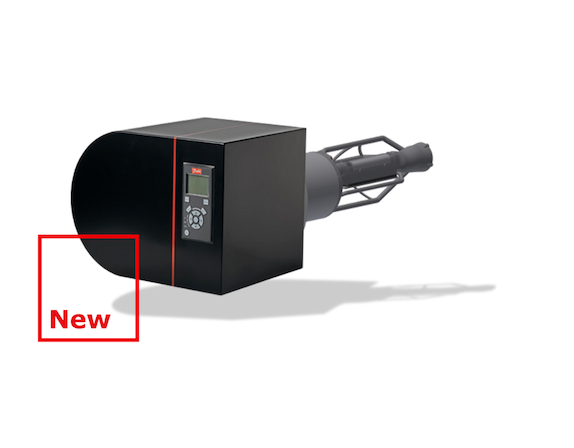
MES 1002
SO₂/CO₂ Analyzer
Compliance by directly measuring emissions from your exhaust system.
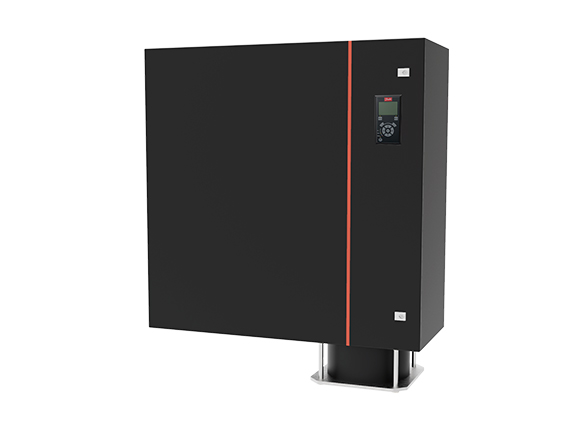
MES 1003
Washwater Monitoring System
Washwater Monitoring System that keeps you in control in a cost-efficient way.
Case
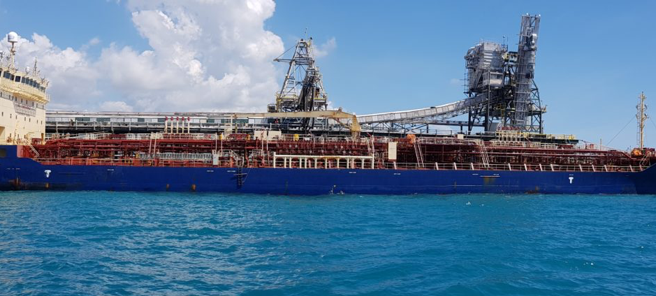
Nordic Tankers and Dania Ship Management: Global enforcement of regulations with marine emission monitoring
Since 2015, Nordic Tankers, Dania Ship Management and Danfoss IXA have been cooperating on testing new innovative technology for monitoring emissions on an ongoing basis. The result is a front runner solution to ensure global enforcement of the IMO’s requirements for sulphur emissions way before any legislation is pushed through.